
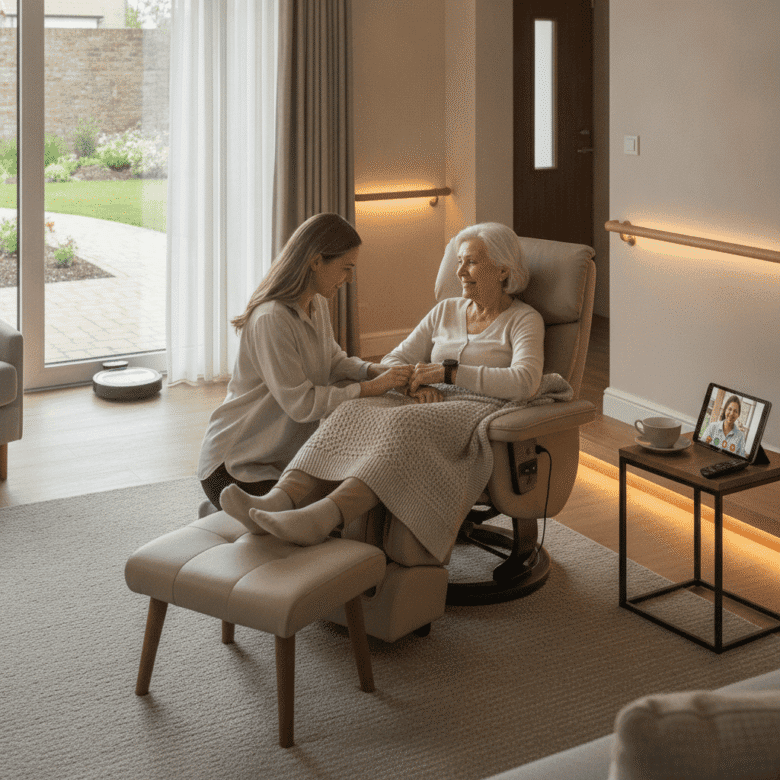
Caring for our elderly relatives holds a special place in my heart. We all want them to live out their golden years with dignity, independence, and happiness. This often means finding ways to provide enhanced safety and comfort without making them feel restricted or losing their personal space. It is a balancing act that many families face.
I understand the concerns that come with age. Things like accidental falls, forgotten medications, or simply feeling isolated can weigh heavily on our minds. So my goal here is to share some practical ideas and insights to help you create a supportive environment. This allows your loved ones to thrive, feeling secure and cherished in their own homes.
We can make a real difference in their daily lives with careful planning and the right tools. We can empower our seniors to enjoy their independence for longer, all while knowing they are well-protected.
Understanding the Unique Needs of Our Elderly Loved Ones
As people get older, their needs often change in subtle yet significant ways. I have seen firsthand how important it is to recognize these shifts early on. Physical abilities might lessen and memory can sometimes falter. These changes can impact their daily routines and their overall sense of security.
But age does not mean an end to independence or joy. It simply means we need to adapt our approach to care. We should focus on solutions that support their autonomy while also providing a crucial layer of protection. This thoughtful balance ensures they feel respected and capable.
I believe that understanding these individual needs is the first step toward truly providing enhanced safety and comfort. Each person is different so what works for one might not work for another. We must be observant and ready to adjust our strategies over time.
Balancing Independence and Support
One of the biggest challenges I have found is striking the right balance between giving support and respecting independence. No one wants to feel like a burden or lose control over their own life. Our elderly relatives especially cherish their ability to make choices and manage their own space.
We can involve them in decisions about their care and living arrangements. This helps them feel empowered. We can also introduce safety measures subtly, making them feel like tools that enhance their life rather than limitations. This approach fosters trust and cooperation. It makes it easier to bring in solutions that promote enhanced safety and comfort.
Small changes often make a big difference. We can offer assistance with tasks that have become harder but still encourage them to do what they can on their own. This supportive environment helps maintain their self-esteem and quality of life.
Smart Home Solutions for Enhanced Safety and Comfort
Modern technology offers some incredible ways to boost safety and comfort for older adults. I have seen many families benefit from smart home devices that were once just science fiction. These tools are often easy to use and can provide a lot of peace of mind for everyone involved.
Things like smart lighting systems can turn on automatically as someone walks into a room. This prevents fumbling in the dark and reduces fall risks. Voice-activated assistants can help with everything from setting reminders to calling for help. There are also smart thermostats that keep the home at a comfortable temperature, adjusting themselves throughout the day.
Installing these systems does not have to be complicated. Many are designed for simple setup and operate through a smartphone app. This makes managing them straightforward for family members who are helping out.
The Role of Voice-Activated Devices
Voice-activated devices, like smart speakers, are becoming invaluable in senior care. I have found them to be particularly useful because they do not require fine motor skills or complex interfaces. A simple spoken command can do so much.
Imagine your elderly relative needing to remember a medication. They can just ask their smart speaker to set a reminder. If they feel lonely, they can ask it to play their favorite music or an audiobook. In an emergency, they can even use it to call a pre-set contact or an emergency service. These devices offer an extra layer of support and connection.
These tools really provide enhanced safety and comfort. They give instant access to information, entertainment, and communication. This helps reduce feelings of isolation and keeps help within reach.
The Power of Proactive Health Monitoring
Keeping track of an elderly relative’s health can feel like a constant worry. But new monitoring systems allow for a proactive approach. This means we can often address issues before they become serious. I have seen these systems prevent many trips to the emergency room.
Personal medical alert systems are a classic example. These devices let someone call for help with the push of a button, often worn as a pendant or bracelet. Beyond that, more advanced options exist now. These include sensors that detect unusual activity patterns, indicating a possible fall or a change in routine that might signal a problem.
These types of systems offer an important layer of protection. They ensure that help is always available, even when you cannot be there in person. This technology truly elevates the concept of enhanced safety and comfort.
Remote Health Systems for Peace of Mind
Remote health monitoring systems take things a step further than basic alerts. These systems can track vital signs, sleep patterns, and activity levels from afar. I have seen them give families incredibly valuable insights into their loved one’s well-being.
For example, some devices can monitor blood pressure or glucose levels and send that data directly to a family member or care provider. This helps manage chronic conditions more effectively. It also means fewer doctor visits for simple check-ins. This lessens the burden on the individual and their family.
Knowing that real-time information is available helps us respond quickly to any changes. This proactive care truly enhances the safety and comfort of elderly relatives. To learn more about how continuous oversight can benefit your loved ones, you can read about 24/7 elderly monitoring benefits. This kind of consistent attention helps reduce risk and improves overall well-being.
Creating a Safe and Accessible Living Environment
A home should be a sanctuary, especially for our elderly relatives. It should feel comfortable and secure. Sometimes, making a few simple changes to the physical environment can drastically improve their safety and ease of movement. I often suggest looking at the home through their eyes.
Think about things like trip hazards. Loose rugs or cluttered hallways can be very dangerous. Clear pathways are essential. Good lighting, particularly in stairs and bathrooms, helps prevent falls. Installing grab bars in the shower and next to the toilet provides critical support. These modifications are not just about safety, but also about maintaining their independence.
These practical adjustments do not have to be expensive or complicated. Many are DIY friendly or can be installed by a local handyman. The goal is to create a space that supports their daily activities without posing unnecessary risks, thus providing enhanced safety and comfort.
Simple Home Adjustments for Daily Living
Here are some simple but effective home adjustments that I always recommend:
- Add night lights in hallways and bathrooms to guide them in the dark.
- Install non-slip mats in the shower or tub to prevent slips.
- Ensure all rugs are securely taped down or removed if they are a tripping hazard.
- Rearrange furniture to create wider pathways, especially in high-traffic areas.
- Place frequently used items within easy reach to avoid stretching or bending.
- Use lever-style door handles instead of knobs for easier gripping.
These small changes can make a huge difference in their ability to move around their home safely and with confidence. They contribute directly to their enhanced safety and comfort, allowing them to feel more at ease in their own space.
Fostering Mental and Emotional Well-being
Enhanced safety and comfort for elderly relatives extends beyond just physical protection. Mental and emotional well-being are just as important. Loneliness and isolation can have serious health consequences, sometimes even more so than physical ailments. I believe in nurturing their spirits as much as their bodies.
Encourage them to stay connected with friends and family. Regular visits, phone calls, or video chats can make a big difference. Help them explore new hobbies or revisit old ones. Joining local community groups or senior centers can provide valuable social interaction and a sense of purpose.
We need to listen to them and validate their feelings. Aging comes with its own set of emotional challenges, and having a supportive listener can be incredibly comforting. This holistic approach ensures they feel loved, valued, and connected to the world around them.
Encouraging Active Social Engagement
Active social engagement plays a key role in maintaining mental sharpness and emotional happiness for older adults. I advocate for helping them find ways to stay involved in their communities. This connection is a vital part of enhanced safety and comfort.
Here are some ideas for fostering social engagement:
- Help them set up regular video calls with distant family members.
- Research local senior centers or clubs that align with their interests.
- Arrange for volunteers or friends to visit them regularly for conversation.
- Encourage participation in gentle group exercises or classes.
- Facilitate transportation to religious services or social events if needed.
These activities help combat loneliness. They also keep their minds active and their spirits high. A happy, engaged senior is often a healthier one.
Planning for Future Care and Support
Thinking about future care needs can feel overwhelming. But proactive planning helps ensure that our elderly relatives receive the best possible support as they age. This is a key part of providing enhanced safety and comfort in the long term. I have seen how much easier things are when these conversations happen early.
It is important to discuss their wishes for future living arrangements and medical care. This includes looking into options like assisted living facilities or in-home care services if and when they might be needed. Having these talks openly and respectfully reduces stress for everyone involved down the road.
Consider putting together a support network. This could involve family members, close friends, and professional caregivers. Having a clear plan and a team in place ensures that your loved one’s needs are met consistently, even if circumstances change.
Prioritizing the Well-being of Our Elderly Relatives
Ultimately, our aim is to ensure our elderly relatives enjoy a life full of enhanced safety and comfort. This means creating an environment where they feel secure, respected, and deeply loved. I believe this goal is achievable through a combination of thoughtful home adjustments, smart technology, proactive health monitoring, and consistent emotional support. We have explored many ways to make their daily lives easier and safer, from voice-activated assistants to simple grab bars. Each step we take contributes to their overall well-being. It helps them maintain their independence and dignity. By focusing on both their physical safety and their mental and emotional health, we build a foundation for a happy and fulfilling later life. It is about anticipating needs and responding with compassion and practicality. I encourage you to consider which of these strategies might best benefit your own elderly relatives. Take the time to implement these changes. It will truly make a profound difference in their lives and your own peace of mind.