

Fitness stays a lifelong adventure, but a lot of men slow down their progress without even knowing it by falling into common traps. Whether hitting the gym for the first time or pumping iron for years, avoiding these slip-ups boosts results, cuts down injuries, and keeps the fire alive. Discover the biggest fitness blunders men often make and the simple fixes that can change the game. Keep reading to unlock tips that can seriously level up the workout grind.
1. Ignoring Warm-Ups and Cool-Downs
Many men skip warm-ups and cool-downs, either because they’re short on time or they don’t see the value in them. However, warming up is crucial for preparing your muscles and joints for exercise, while cooling down helps prevent soreness and stiffness.
Fix:
Spend at least 5-10 minutes warming up before your workout with dynamic stretches and light cardio. After your workout, cool down with static stretches and deep breathing exercises to enhance recovery.
2. Lifting Too Heavy Too Soon
Ego lifting is one of the most common mistakes men make. Trying to lift more weight than you can handle leads to poor form and increases the risk of injury. Mens fitness should focus on building strength progressively rather than pushing too hard too soon.
Fix:
Focus on proper form first before increasing the weight. A good rule of thumb is to use a weight that allows you to perform 8-12 reps with good technique. Gradually increase the load as your strength improves.
3. Skipping Leg Day
Leg day is often neglected because many men prefer focusing on upper-body exercises like bench presses and bicep curls. However, this creates muscular imbalances and weakens overall strength.
Fix:
Train your legs at least once a week with exercises like squats, deadlifts, lunges, and leg presses. Strong legs contribute to better posture, enhanced athletic performance, and reduced risk of injury.
4. Overtraining Without Proper Rest
More isn’t always better. Some men believe that working out every day will yield faster results, but overtraining can lead to fatigue, decreased performance, and even injuries.
Fix:
Give your body adequate rest by taking at least 1-2 rest days per week. Listen to your body and ensure you’re getting enough sleep (7-9 hours per night) for optimal recovery.
5. Neglecting Compound Movements
Many men focus on isolation exercises (like bicep curls and triceps extensions) while neglecting compound movements that build overall strength and muscle mass.
Fix:
Prioritize compound exercises like squats, deadlifts, bench presses, pull-ups, and rows. These movements engage multiple muscle groups and promote functional strength.
6. Not Following a Structured Program
Going to the gym without a plan often leads to inconsistent progress. Random workouts might feel productive, but they lack direction and measurable improvement.
Fix:
Follow a structured workout program tailored to your goals, whether it’s strength, hypertrophy, or endurance. Track your workouts and progressively overload your muscles over time.
7. Poor Nutrition Choices
Many men undermine their gym efforts with poor dietary habits. Eating too little protein, consuming too much junk food, or neglecting proper hydration can slow progress.
Fix:
Focus on balanced nutrition by consuming enough protein, healthy fats, and complex carbs. Drink plenty of water, and avoid excessive processed foods and sugary drinks.
8. Not Getting Enough Protein
Protein is essential for muscle repair and growth, yet many men don’t consume enough of it, leading to suboptimal results.
Fix:
Aim for at least 0.8-1.2 grams of protein per pound of body weight daily. Good sources include chicken, beef, fish, eggs, dairy, beans, and protein shakes.
9. Cardio Neglect
Many men avoid cardio because they fear it will reduce muscle gains. However, neglecting cardiovascular exercise can lead to poor heart health and decreased endurance.
Fix:
Incorporate at least 2-3 cardio sessions per week. This can include running, cycling, swimming, or even high-intensity interval training (HIIT) to improve cardiovascular health while maintaining muscle.
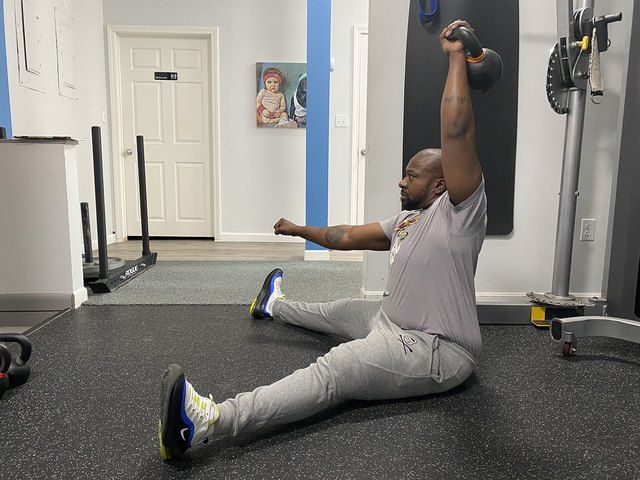
10. Ignoring Mobility and Flexibility
Limited mobility can lead to poor exercise form and increase the risk of injuries, yet flexibility training is often overlooked.
Fix:
Dedicate 10-15 minutes daily to stretching and mobility drills. Practices like yoga and foam rolling can improve flexibility and help prevent injuries.
11. Relying Too Much on Supplements
Supplements can be beneficial, but they should never replace a well-balanced diet. Many men spend too much money on unnecessary products while neglecting whole foods.
Fix:
Focus on real food first and use supplements like whey protein, creatine, and multivitamins only if needed to fill nutritional gaps.
12. Lack of Patience and Consistency
Many men expect quick results and get discouraged when they don’t see immediate changes. Fitness is a long-term journey, and consistency is key.
Fix:
Set realistic goals and understand that progress takes time. Stay committed to your routine, track your progress, and celebrate small wins along the way.
13. Not Listening to the Body
Ignoring pain and pushing through discomfort can lead to serious injuries. Many men mistake pain for the “no pain, no gain” mentality.
Fix:
Learn the difference between muscle soreness and actual pain. If you experience sharp or persistent pain, take a break and seek professional advice if necessary.
14. Doing the Same Routine for Too Long
Sticking to the same exercises and rep schemes for months leads to plateaus, where progress slows down or stops.
Fix:
Change your workout routine every 6-8 weeks by adjusting weights, rep ranges, and exercise variations to keep challenging your muscles.
15. Not Tracking Progress
Without tracking workouts, it’s difficult to know if you’re improving or stagnating.
Fix:
Keep a workout journal or use a fitness app to track your weights, reps, and sets. This helps you measure progress and make necessary adjustments.
Conclusion
Avoiding these common fitness mistakes can make a significant difference in your results. By prioritizing proper technique, balanced nutrition, rest, and a structured approach, you’ll set yourself up for long-term success. Fitness is a marathon, not a sprint—stay patient, stay consistent, and enjoy the journey!